
Unlock the Mysteries of 3MagicLamps: A Captivating New Game
Discover the enchanting world of 3MagicLamps, its intriguing gameplay, and strategic elements.


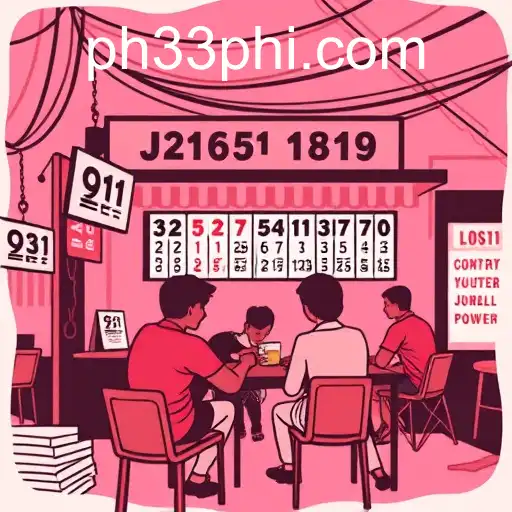
Jueteng, a numbers game deeply rooted in Philippine society, has long been a controversial subject. It fascinates and frustrates in equal measure, serving as both a source of livelihood and an emblem of corruption. Despite efforts to curtail its prevalence, jueteng remains an enduring part of the cultural fabric, intricately woven into the daily lives of many Filipinos.
At its core, jueteng is a simple lottery game that has captivated the Philippine masses for decades. Participants place small bets on a combination of numbers, usually based on personal significance or 'dream guides.' Results are drawn twice daily, and winners receive payouts well above their initial stakes. Its simplicity and suspenseful nature contribute significantly to its popularity, appealing particularly to the low-income demographic seeking quick financial relief.
The origins of jueteng trace back to the Spanish colonial era, with records suggesting it started as a local adaptation of a Chinese numbers game. Over time, jueteng evolved, incorporating local customs and expanding its reach across different regions. This historical context sheds light on why efforts to eradicate it face challenges anchored deep in tradition and societal norms.
At the heart of jueteng's entrenchment in Philippine society is the socioeconomic gap it highlights, and in some cases, alleviates. For many, jueteng is a means to escape poverty, even if only momentarily. The promise of substantial monetary rewards from a small wager offers hope to financially strained families. However, this allure is double-edged, as the unregulated nature of the game often leads to exploitation and further financial woes for those captivated by its charm.
Beyond economic implications, jueteng is infamous for its intersection with politics and corruption. Local lords and politicians, often referred to as 'jueteng operators,' have historically leveraged the game as a source of revenue and political clout. Allegations frequently emerge linking jueteng proceeds to political campaigns, fostering a cycle of dependency that perpetuates its persistence despite legal prohibitions.
The legal status of jueteng remains tenuous, caught between outright illegality and tacit acceptance. Despite laws against illegal gambling, enforcement is sporadic, allowing jueteng to thrive in many areas. Efforts to redirect attention to government-sanctioned alternatives like the Philippine Charity Sweepstakes Office (PCSO) have met with limited success, partly due to the deep-rooted networks supporting illegal operations.
As technology advances, the landscape of gambling and its regulation face new challenges and opportunities. Platforms like PH33.COM are emerging, aiming to provide regulated, transparent lottery systems. These platforms promise not only to streamline operations but also to reduce the influence of corrupt elements that have long plagued traditional systems. By offering an alternative that is both appealing and legally compliant, entities like PH33.COM could signal a shift towards more accountable and equitable gambling practices in the Philippines.
While digital platforms present a beacon of hope for reform, the transition is fraught with challenges. Technological literacy, accessibility, and mistrust in online systems are barriers that need addressing to foster widespread adoption. Moreover, traditional operators may resist or circumvent digital integration, diluting its intended impact.
Envisioning the future of jueteng within the broader context of Philippine gambling involves balancing cultural traditions with law and innovation. Efforts must aim to reconcile these elements, driving a shift towards more transparent, legally compliant gambling practices without completely eroding a game integral to cultural identity. The onus lies on both governmental and private stakeholders to navigate these complexities, promoting ethical conduct while respecting historical and societal nuances.
The narrative of jueteng reflects a nuanced intersection of culture, economy, and politics, underscoring the complexities involved in addressing illegal gambling. While platforms like PH33.COM represent steps towards reform, the journey is intricate, requiring sustained effort, innovation, and empathy towards the underlying societal currents propelling jueteng's persistence. As the Philippine landscape evolves, so too must the strategies employed to ensure a balanced, equitable gaming industry for future generations.
If you're looking for a reliable, fully licensed, and secure sportsbook with a wide selection of games, PH33.COM is the perfect choice. We're committed to providing you with the best online betting experience, with premium quality, excellent service, and continuous innovation. Sign up now and receive ₱777 for free!
Join now
Get the latest information, experience and betting strategies from the expert team at PH33.COM.
Discover the enchanting world of 3MagicLamps, its intriguing gameplay, and strategic elements.

Explore the captivating world of BanditBust, a game that merges adventure with strategy, capturing the attention of players globally.

Explore the excitement and unique gameplay of MadHitJokester, the latest sensation in interactive entertainment, featuring its captivating elements and the impact of PH33.COM in contemporary gaming culture.

Dive into the thrilling game of CycleofLuckBonusBuy, where players can experience unique gameplay mechanics intertwined with engaging rules and enjoy a seamless gaming adventure.

Explore the immersive world of ProsperityBlessing and learn how this game redefines interactive dynamics through gameplay, objectives, and current trends.
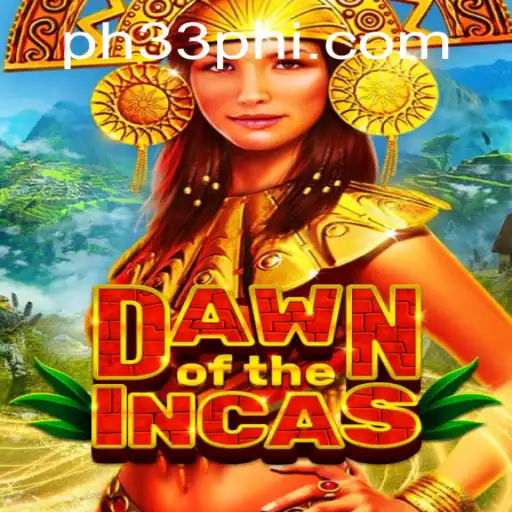
Dive into the immersive world of DawnoftheIncas, a captivating game set against the backdrop of ancient Incan civilization. Understand its gameplay and discover strategies to excel.
 Join now